 Hebrew
 English
Ir Yamim Netanya- Briga Yam
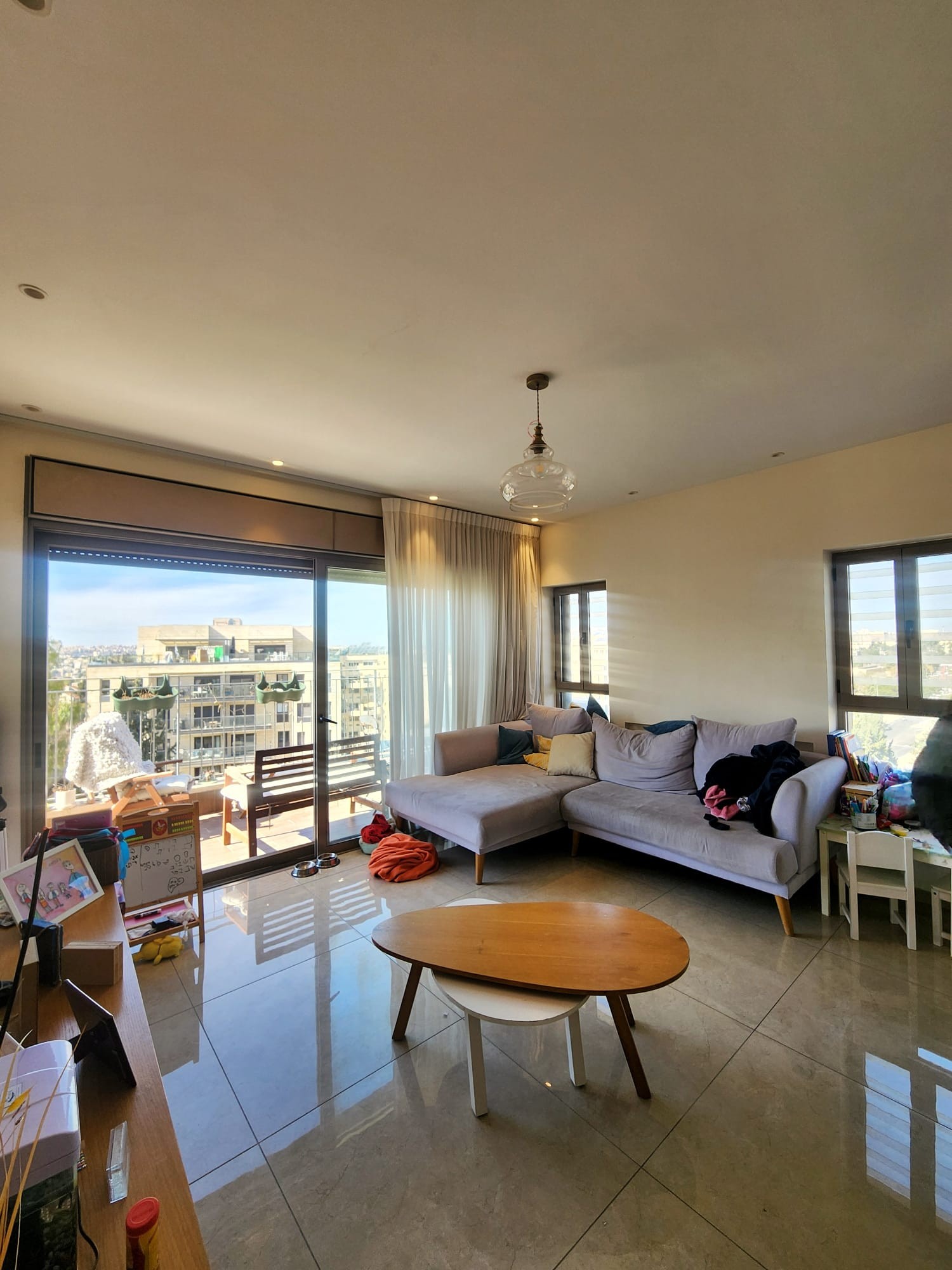
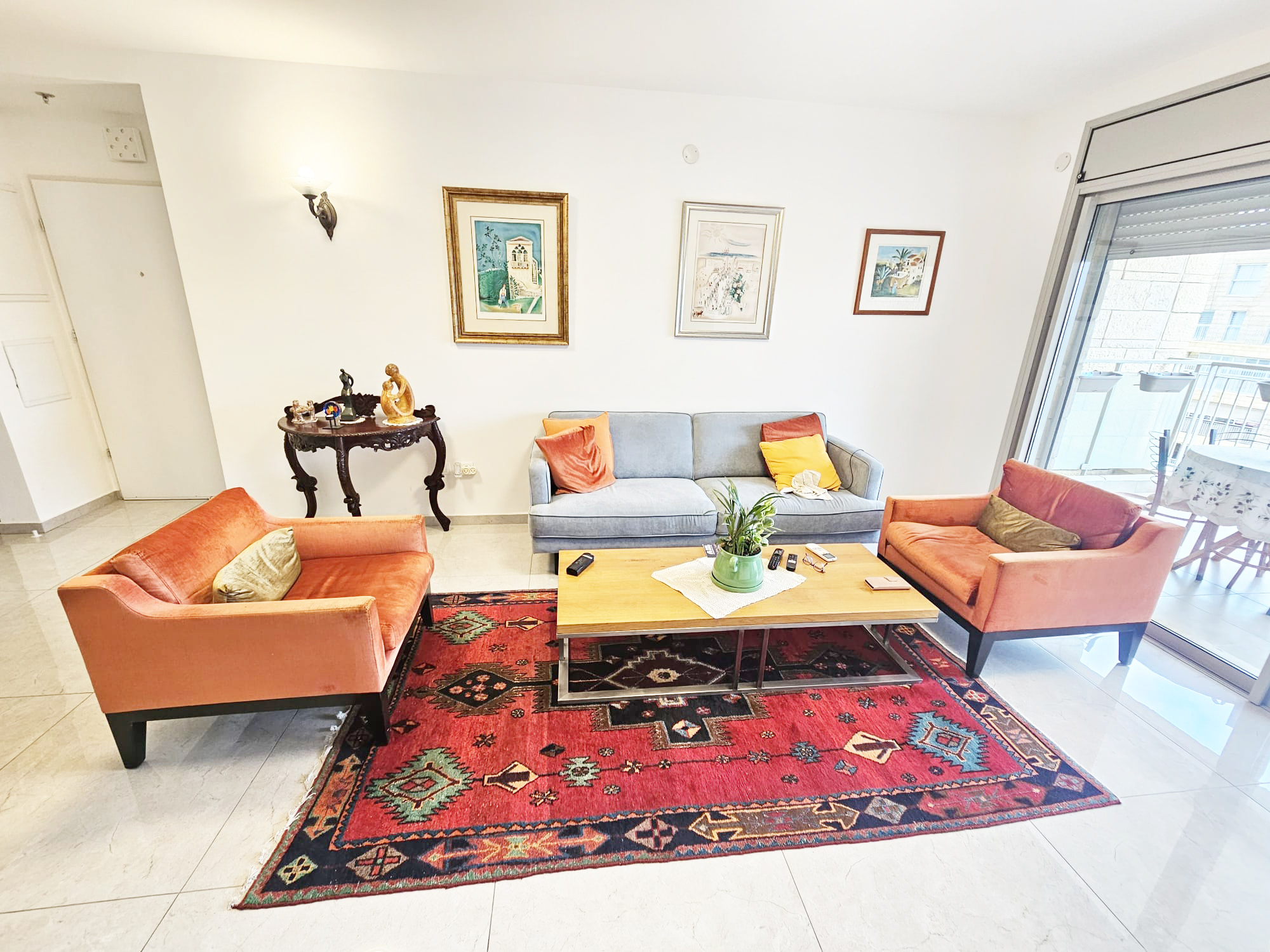
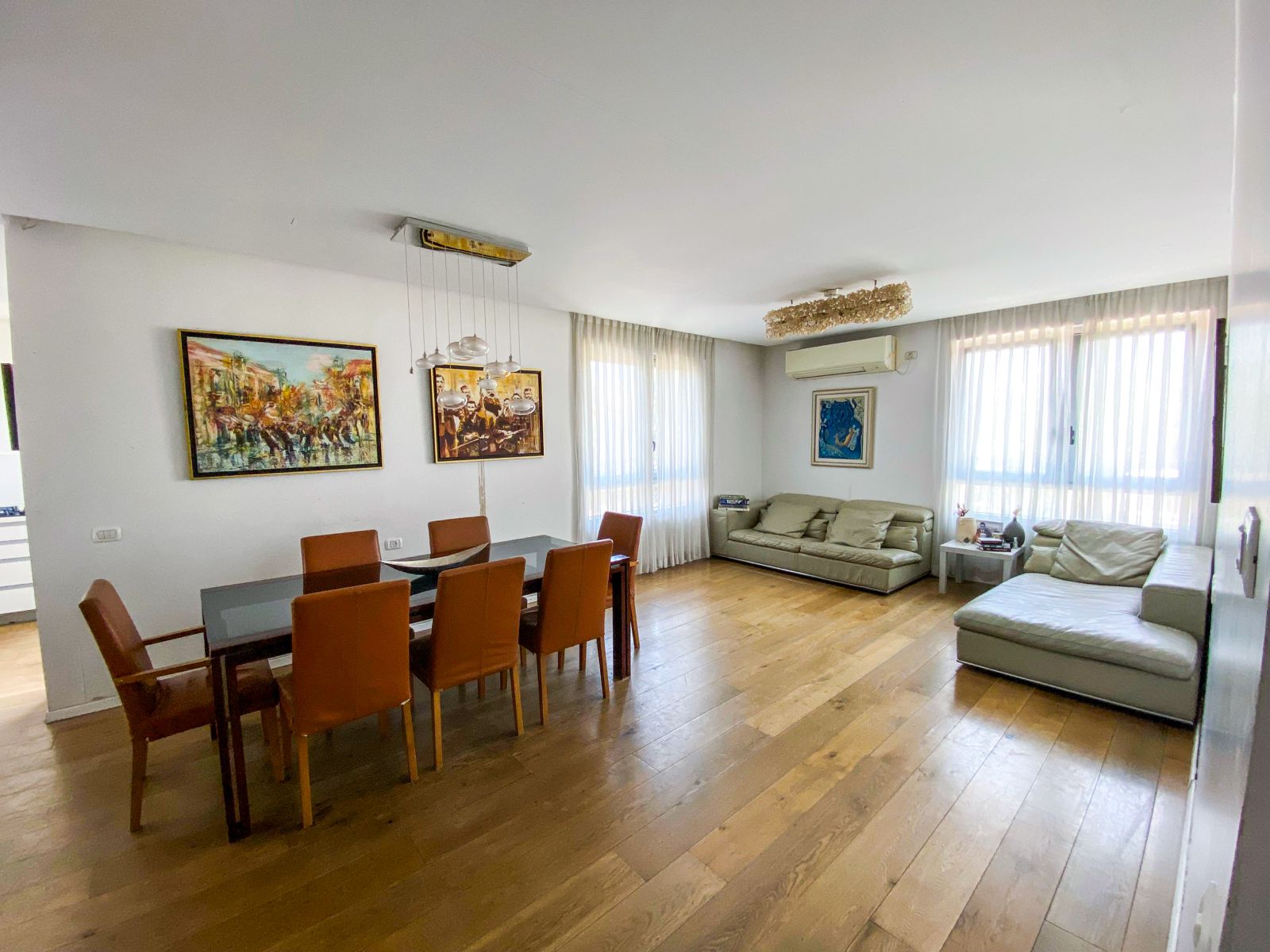
₪6,500,000- Ehud Manor Street, Netanya, Israel





Recent increases in anti-Semitic incidents worldwide are exerting noticeable influence on Israel's real estate sector. Investors, homebuyers, and developers are being affected in distinct and sometimes surprising ways.
Increased Demand from Diaspora Buyers:
As anti-Semitism escalates in many countries, Jewish communities abroad are increasingly considering relocation options. Israel, viewed as a place of relative safety and belonging, is becoming a more attractive destination. This growing perception is driving demand from diaspora buyers seeking real estate in cities perceived to offer both security and cultural connection.
Price Effects and Market Competition:
The surge of interest from foreign and diaspora investors contributes to heightened competition in key metropolitan areas. In neighborhoods already in demand, prices are rising more sharply. Sellers are benefitting from this influx of capital, but affordability is becoming more challenging for local buyers who do not have access to the same resources.
Investment Behavior Shifts:
Some investors are adapting their strategies. Properties in regions closer to infrastructure, with established communities, or with potential for higher resale value are now especially coveted. Others are looking for new developments or planned communities that promise both modern amenities and stronger security, as these are perceived to better meet the needs of buyers who are moving from places with rising hostility.
Policy Challenges and Planning Implications:
Government bodies and urban planners are noting that these shifts place pressure on housing supply, transportation, and public services. In response, some municipalities are exploring measures to manage housing availability and ensure that long-time residents are not priced out. There's also increased discussion about planning new developments that include security features, community centers, and cultural infrastructure to accommodate new residents.
Looking Forward:
The trend of anti-Semitism abroad influencing interest in Israeli real estate appears likely to continue growing. For the short term, the market will need to balance rising demand with the need for supply that keeps prices sustainable. Over the longer term, the integration of new residents-both socially and in terms of infrastructure - will be crucial in maintaining both community cohesion and livable neighborhoods.
©2026 Israel Home Directory