 Hebrew
 English
Ir Yamim Netanya- Briga Yam
₪6,500,000- Ehud Manor Street, Netanya, Israel







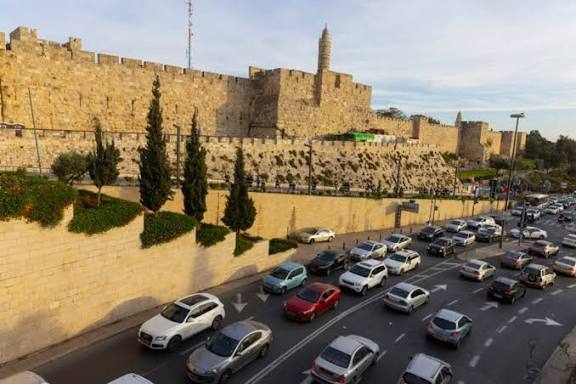
Jerusalem is preparing to introduce a congestion charge for vehicles entering the city, a move that will coincide with the full operation of its expanded light rail network. Mayor Moshe Lion announced the initiative as part of a broader effort to ease traffic congestion and promote the use of public transportation.
The plan involves establishing large park-and-ride facilities at the entrances to the city. These lots will allow drivers to leave their vehicles outside Jerusalem and complete their journey via the light rail system or other public transit options. The intention is to reduce the volume of cars entering the city on a daily basis, thereby improving traffic flow and cutting down on pollution.
Although the congestion charge is a significant policy shift, it is not expected to take effect for at least another seven years. This delay is due to ongoing infrastructure work, including the construction of the city’s Green and Blue light rail lines. The Green Line is scheduled to become operational in early 2026, while the Blue Line is expected to be completed around 2030. City officials emphasize that the congestion fee will only be implemented once the full light rail network is in place and residents have viable, efficient alternatives to driving.
When introduced, the charge will apply to vehicles entering the city from outside. However, residents of Jerusalem’s surrounding suburbs are likely to be exempt from the fee. Specific details about pricing and exemptions have not yet been finalized, but the goal is to make the policy equitable while still effective in reducing congestion.
This initiative is part of a broader transformation of Jerusalem’s transportation infrastructure. Alongside the expansion of the light rail system, the city is investing in the development of new bus lines, road upgrades, and over 80 kilometers of bike paths. Officials are also exploring innovative mobility projects, including a cable car system linking the First Station complex to the Old City, as well as expanded shared transportation options.
The congestion charge reflects a growing global trend among major cities seeking to manage traffic and pollution through economic incentives. While such policies can be controversial, city leaders in Jerusalem believe the combination of improved public transport and infrastructure upgrades will make the change both practical and beneficial for the long term.
As planning continues and construction progresses, the municipality is expected to hold public consultations and finalize key aspects of the congestion charge policy. If implemented successfully, the initiative could mark a turning point in Jerusalem’s evolution into a more sustainable, accessible, and livable city.
©2026 Israel Home Directory